What is the Best Roofing Material for a Flat Roof?

Flat roofs may be infamous for leaks and repairs but they remain as the first choice for most people and roofing companies thanks to their flexibility, even more common than pitched roofs. Obviously, the term flat doesn’t necessarily mean that these roofs are flat. They are only called as such due to the slight pitch they have at ½ or ¼ per foot. While this pitch offers adequate slope to facilitate water drainage, this can turn into an issue if there are structural flaws to the material used or if the material itself is poor. This is why it is important to choose the best roofing material for a flat roof to ensure its lifespan and longevity. Good thing there are several available choices out there to help you pick the perfect material that will suit your needs and of course, your budget. Some of the most common types of materials for flat roofing include the following:

Single Layer Membrane Roof

One of the most advanced technologies in roofing is the roof membrane. This is popular in the market in the names elastomeric or plastomeric roofing membrane. There are different categories of this single-ply membrane roof such as: The EPDM is the most in demand and common single-ply membrane material or also known as rubber roof. The material is the best choice of roofing material for both residential and commercial use for roofing construction. The key benefit of a single-membrane roof is the fact that this is cheaper than other roof membranes. EPDM membrane with darker shade has better heat absorption ability, a feature that can drive up your energy bills. Roof professionals install the thin sheet material of 0.03 inches then apply this as a single layer to the roof. Since this material for flat roof uses synthetic rubber and polymer, it gives the roof an excellent flexibility and elasticity. This feature also makes it possible for EPDM to endure changes in temperature and weather and other impacts unlike traditional built-up roofs. There are different ways of attaching these roof membranes. For instance, the roofers can lay this material partially or they can also hold it down with rock ballast, the structure required for supporting the weight of the roof. You can fully adhere the roof to its deck as well. It is also common to use adhesive for fastening the roof seams of EPDM and Neoprene. However, PVC roof seams are heat welded.

Built-Up Roofing

Built-up roofing is also among the traditional options for roofing materials and still remains a popular choice to solve issues with low-pitch roofing. It is an almost century old roofing material that can better handle roof challenges than asphalt shingles.

Modified Bitumen Roof Material

Modified bitumen roof material dates as far back as the 19th century. A replacement technology for built-up roofing, this material often uses BUR technology, adding several roof cap sheets and wear layers. The cap sheets include polymer for increasing the strength and life span of the material.  

What Do Roofers Do When It Rains?

UK weather can be very unpredictable and for professional roofers, it is important for them to monitor the daily forecasts before they proceed with the job. Typically, if there are higher chances that it will rain on a specific day, the team will let the homeowners know if they will be postponing the project until further notice. However, what if it rains all a sudden just when the roofers are midway in doing their job?  What do roofers do in cases like this? Roofers are expected to be fully and adequately prepared for unplanned downpour that can happen during a job. If it suddenly rains while in the middle of a roofing project, roofers will first check how heavy the rain is and try to determine if it will last for some time. If the downpour lasts for hours, they will use tarps to cover the roof to ensure that the wood as well as other materials don’t get wet. For short and lighter rains, the roofers will probably climb off the roof first and wait until the rain passes before they continue the job. Roofers have ample supply of tarps and some 2x4s available at their disposal that they can use for securing the tarps in place.

Roofing Shingle Installation When It is Raining

Roofers work in sections if the roof covers a large area. If not, they try to get rid of all the damaged and old shingles in just one day. Before installing the new shingles, they prepare the roof first and fit it with the synthetic underlay. This underlay is waterproof and offers rain protection to some extent although it will not protect the roof from a torrential downpour.

Roof Repair While Raining

Roofers receive service calls for emergency roof repairs during storms. Roofing professionals use a roof sealant that comes in handy even in the rain. But while this roofing sealant can keep the water out, this is not intended for permanent and long-term repairs. Good weather is essential for a long-lasting roof repair job. It is always important to remember that it is never a sound idea to try to repair the roof on your own during heavy rains or storms because of safety concerns.

Risks of Roofing in the Rain

Ask any roofer and they will surely tell you that there are always risks associated with doing exterior home improvement projects during poor weather conditions. For instance, a slippery roof may put the roofers at risk of suffering from injuries or causing minor or major property damages. But, what is more important here is that the roof may fall if it is installed under wet conditions.

Wait for Good Weather

If you want your roofing system to last for a long time, it is always best and recommended that you install it during favourable weather conditions. It means that you should avoid installing your roof during a rainy day or delaying the project for several days in case of unexpected rains. This wait will be worth it for both you and your roofer.

What are the Disadvantages of a Metal Roof?
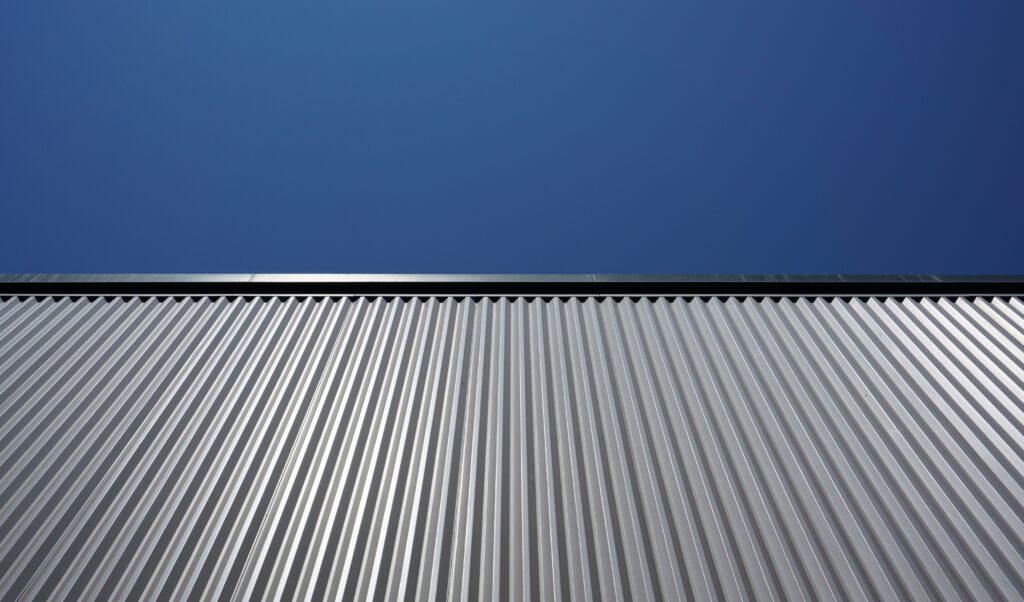
Info provided by Empire Roofing Bath: If your house has an asphalt roof, it is possible that you are thinking of switching to a metal one. Metal roofing is one of the most popular and common roofing options for UK homes and commercial property. These roofs are durable, environmentally-friendly, and energy-efficient. Sadly, just like anything else in this world, metal roofs are not 100% perfect and flawless. Surely, you wouldn’t want to spend your cash on something that doesn’t suit your needs in the first place. Below are some of the top disadvantages of a metal roof:

Higher Initial Cost

Metal roofs are often two or even three times more expensive compared to other materials. These are even ten times pricier than traditional asphalt shingles. Aside from the initial purchase cost, the cost of installing metal roofing is also relatively higher than that of other roofing materials. It is because of the required training of labour and specialized knowledge and the special equipment and tools required for the installation. But, if you are planning to stay in your house for a long time, you can recover better return on your higher initial expense.

Noise Concerns

Metal roofs also tend to create noise during hailstorms or rain. While there are people who love listening to the pattering sound of the rain on their roof, others consider it an annoying and disturbing noise. Hailstorm or heavy rainfall will be noisier, whatever the roofing material might be. However, there is no question that metal is much louder than asphalt or tiles. You can cut down this noise if you add more layers of solid sheathing or insulation during metal roof installation. However, take note that more insulation means higher initial expenses as well.

Possible Dents

There are metal roofing materials that are more prone to dents. But, most of the metal roofs today are built to endure heavy snowfall and rain, fall branches of trees, or large chunks of hail. You also cannot walk on certain metal roofs without causing dents and damages on them. However, it doesn’t count as a big deal breaker. There are metal roof manufacturers that offer anti-denting warranty for their products. It is also better if you choose stronger materials such as steel instead of copper or aluminium to prevent dents.  

Complicated Repairs and Modifications

Metal roof modification can cause serious headache, specifically if you install it in large panels instead of individual shingles. If one spot has suffered from damage and you like to repair or replace it, it is likely that you need to replace or repair a bigger portion. Also, if you plan to expand or remodel your home’s roof after 10 or 20 years, you might find it tricky to find the same material due to the constantly changing options for metal roofing.

Unexpected Situations

If rare or unforeseen events occur such as an internal house fire, metal roofing might not be your best choice. During serious house fires, fire fighters might need to cut open a metal roof just to put out a fire, a process that can be time-consuming and difficult.  

Should I Repair or Replace My Roof?

No house will be complete without a roof. The roof acts as the main barrier between you and things that might fall out the sky. A good roof can last for years if it receives proper care and maintenance. Sadly, sooner or later, your roof will suffer from damages and once this happens, you need to decide if you should replace or repair you roof. Roof repair is usually your go-to option for roof maintenance. But, there are cases when a simple repair is no longer enough. Today, you will learn how to identify signs of damage in your roof and help you determine if roof replacement or repair is the better option for you.

When is Roof Repair a Good Choice?

Roof repair is the better choice for you most of the time. This can further extend the overall life span of your roof without the additional expense of roof replacement. There are several conditions when you will be better off with roof repair. If you need gutter repairs & replacements then visit our page. Consider how old your roof is. If the house was recently built and its roof is still somewhat new, it is possible that you can still fix the damage. You can get in touch with the manufacturer for the necessary repairs if your roof is covered by a 30-year warranty. One more important consideration is the specific content when the damage occurred. It will be easier for you to determine if repair is enough if you know how and when your roof incurred the damages. For instance, if a major storm recently occurred, there is a high chance that the damage on the roof was because of the storm itself. It is possible to repair weather-related roof damages. The exterior damages are often visible in such instances. Finally, you have to consider how serious the damage is. If it is only a tiny mark such as one missing shingle, you can repair it without any issues. If damages are limited to the roof’s surface, you can fix the problem by replacing some of the shingles. If you are a business looking to repair or replace your roof then visit our commercial roofing page.

When is Roof Replacement a Good Choice?

Replacement will inevitably be necessary at one point in the life of a roof. Repairs tend to be less efficient and effective on older roofs. You can always continue with the repairs but these will only result to more expenses in the long run. If you have an older roof or one that is already near the end of its original 30 or 20-year warranty, your safest bet is roof replacement. If you have no idea how old your roof is, you can assume that it is already beyond the time for repair. If your roof has extensive damage, you have to consider replacing it sooner or later. You can repair most damages up to an extent. However, if these damages already started affecting your roof’s structural integrity, it is about time that you replace it. Lastly, once you notice serious leakage and water damage in your home’s interior, make sure you replace your roof right away. While there are some damages that you can repair, these might take too much effort and time. Your number one priority is and should always be getting a solid roof at the soonest time possible.   [embed]https://youtu.be/BQ-4TWX9HLQ[/embed]  
01225 285181