
Part 1 of 6
Slipped slates
A slate on the ground is a symptom, and the cause is usually a fixing.
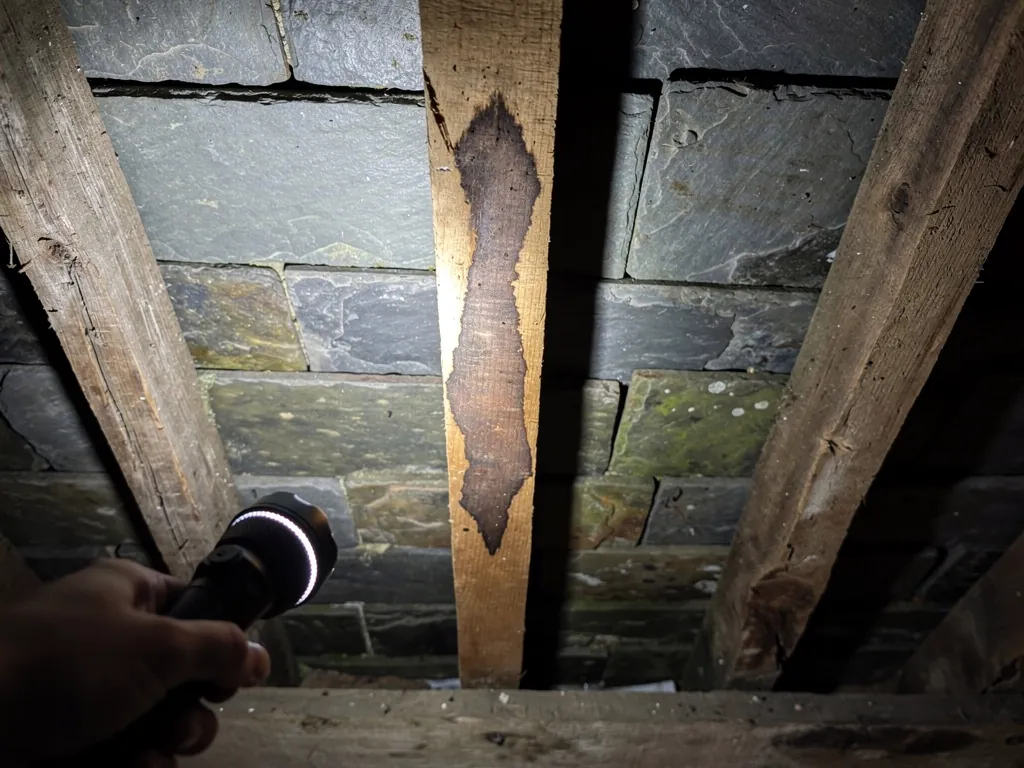
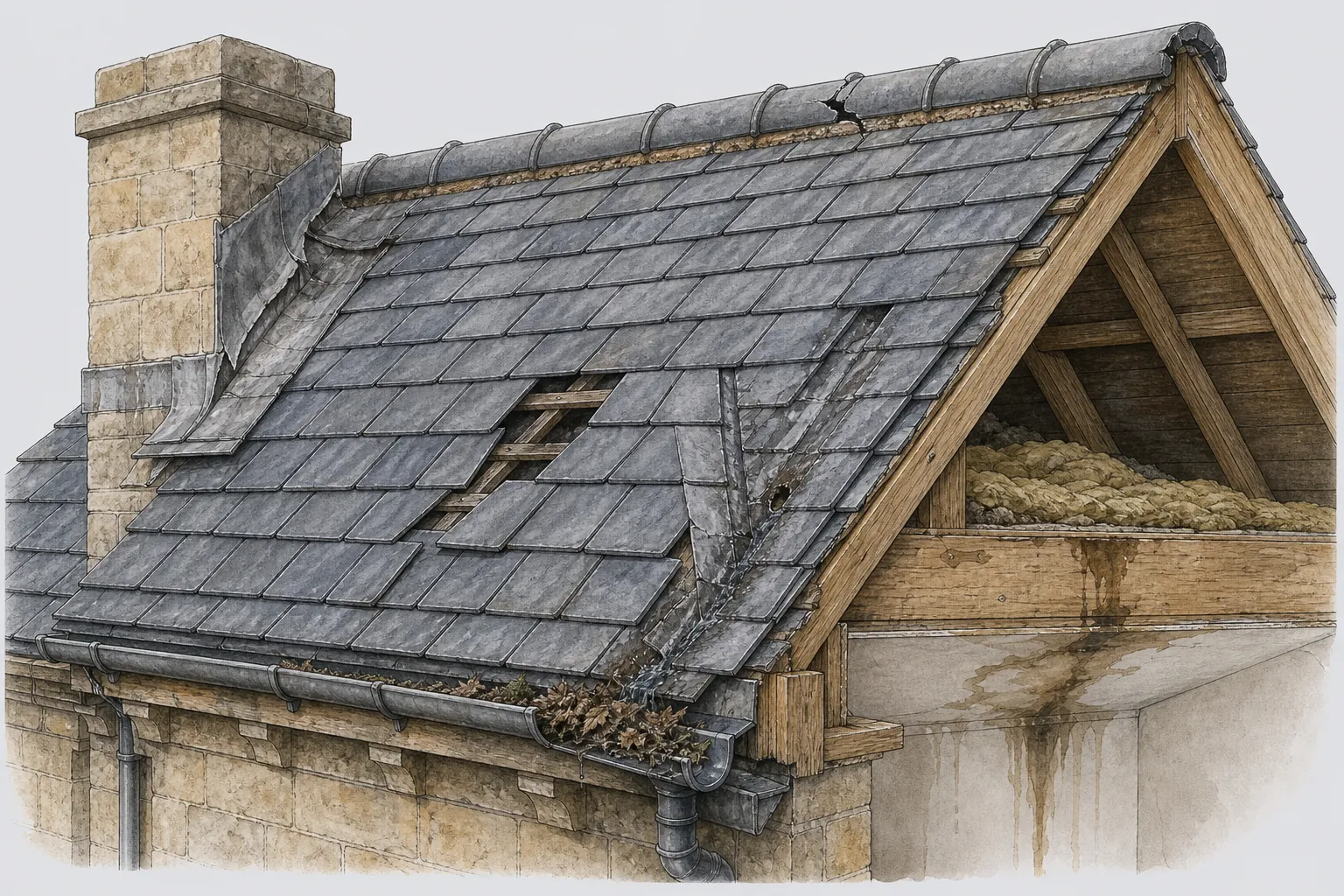
Slipped slates are the most common sight on an ageing pitched roof, and the most misunderstood. A slate does not simply fall off. It slides because the nails that held it have given up, and the nails go for a reason. On many older roofs the fixings were iron, which rusts at the point where it passes through slate and timber. The nail weakens, the slate drops until the row beneath stops it, and eventually it comes away.
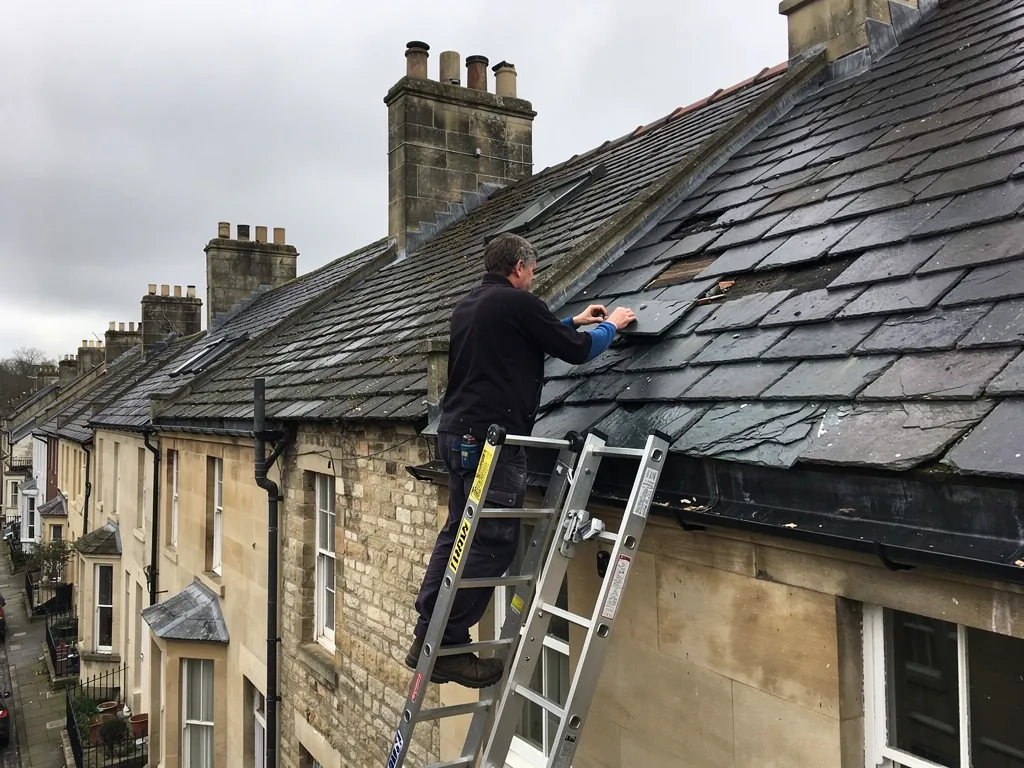
A single slipped slate after a gale is an ordinary repair. We replace it with a matched slate and hold it in place with a tingle, a short metal strap, cut from lead, copper or aluminium and nailed to the batten and bent up over the slate's lower end. The batten, incidentally, is the timber strip that every slate is fixed to. The result is neat and sound, and it does not disturb the slates around it.
Reading the pattern
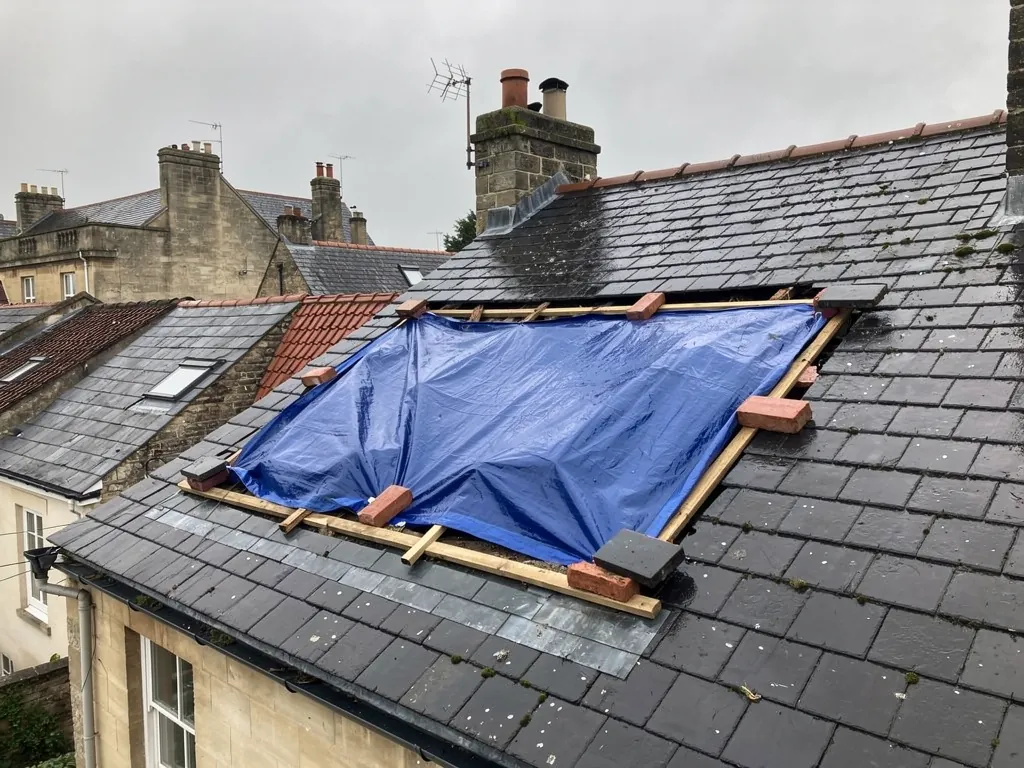
What matters is how many slates are loose, and where. A handful at the edge of the roof after a storm points to wind. Slates dropping across several slopes with no weather to blame points to failing nails, and each repair then loosens the neighbours. At that point patching becomes a cycle, and re-slating becomes the cheaper course over the next few winters. You see photographs of the evidence, and we do not recommend a full replacement where repair genuinely works.
Tiles as well
Clay and concrete tiles slip for different reasons. Plain tiles are hung from battens by nibs and held by nails in every few courses, so a slipped tile usually means a broken nib or a missing nail. Interlocking tiles are clipped, and a lifted one may have lost its clip. Cracked tiles can be replaced singly, but the replacement has to match in profile and colour, or it looks like a patch. Reclaimed tiles often match best on older roofs.
Access and scaffold
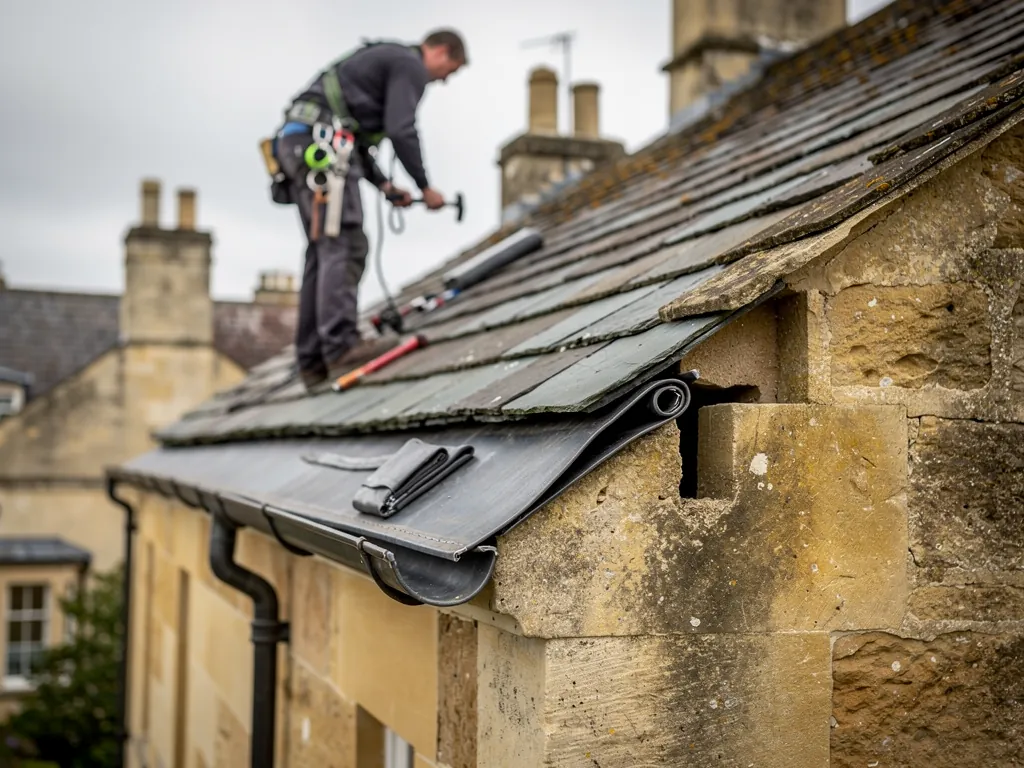
Some repairs can be done from a ladder or a roof ladder, and some need scaffold or a platform, depending on the height and the position of the fault. We say at the survey which applies, because access is a real part of the price. The MyBuilder repair cost guide puts a minor job at £100 to £300, a moderate job at £500 to £1,000, and a major one at £2,500 or more.
If you can see slipped slates from the ground, photograph them and keep clear of the area below. The photographs help us plan the visit, and an insurer will want them if wind was the cause.
£100 to £300
Minor job: one small leak, or a few tiles
£500 to £1,000
Moderate repair needing more access or materials
£2,500+
Major repair, where the damage is widespread
Figures: MyBuilder roof repair cost guide, 2026
Our short answers on repairing a slipped tile and a cracked roof tile cover the simple cases, and for the wider question of cost see what roof repairs cost. For slate in particular, our slate roofing page explains nails and re-slating. Whatever the covering, the useful first step is a clear photograph of the damage and a note of the date the problem began, since both help us judge whether a single repair will hold.