The short answer
Get three written quotes for most roof work. Two gives you little to compare, and more than four tends to blur the picture and waste time. Make sure every roofer looks at the same roof and prices the same job, then compare the scope line by line before you look at the total. A price far below the others usually means something has been left out.
Why three works for most jobs
With one quote you have no way of knowing whether the price is fair, the scope is right or the roofer has understood the problem. With two you can see a difference, but you cannot tell which figure is the odd one out. Three gives you a middle and two ends, and a pattern starts to show.
It also keeps the work manageable. Each quote takes a visit, a conversation and time spent reading the paperwork. Four or five visits can leave you with so much information that you stop reading any of it carefully. For a small repair, such as a few slipped tiles, two quotes may be enough. For a large job such as a full re-slate or new flat roof, three or four is sensible, and it is worth making the effort.
The aim is not to find the cheapest roofer. It is to find a firm that has understood your roof, describes the work clearly and gives you a price you can trust to hold. Invite each roofer to visit instead of pricing from photographs alone. A surveyed roof gets a more accurate figure than a guess.
Make sure everyone is pricing the same job
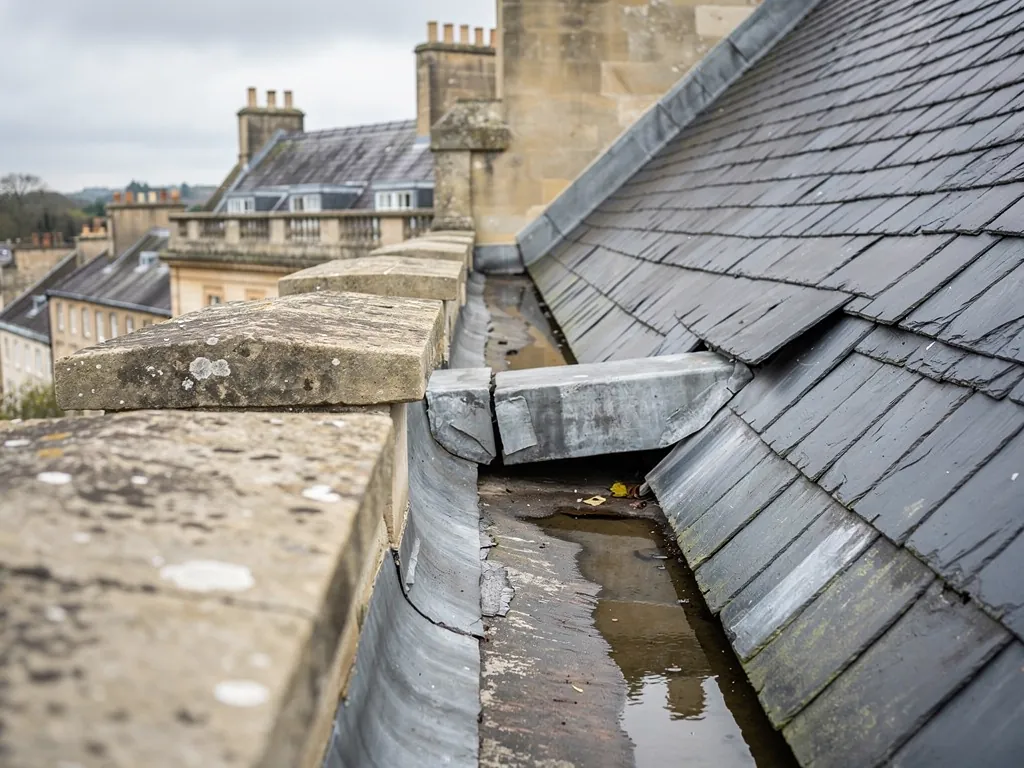
The most common reason quotes differ is that they are not for the same work. One roofer includes new battens and underlay, another does not. One allows for scaffold and the next assumes you will arrange it. One replaces the lead in the valleys while another leaves it and mentions it only in small print.
To avoid this, give each roofer the same starting information. Tell them what you want done, what the problem is, and whether you want a repair, a partial re-cover or a full replacement. If you have a survey or a report from an earlier visit, share it. Where you can, ask them to price the same list of items, so that the results line up.
It also helps to say if the building is listed or sits within a conservation area. Those details affect materials and consent, and a roofer who is not told may price the wrong thing. The checklist of items a quote should state shows what to look for on paper.
How to compare quotes properly
Put the quotes side by side and go through them line by line before looking at the totals. A simple table, with each roofer in a column and each element of the job in a row, shows the gaps quickly.
- Scope. What is being stripped, what is being replaced, what is being retained?
- Materials. Is the covering described exactly, such as the type and origin of the slate or the make of the tile, or only as "tiles"?
- Hidden parts. Are battens, underlay, lead, ridge fixings and gutters mentioned?
- Extras. Is scaffold, waste removal and clearing the site included?
- Consents. Who deals with Building Regulations approval, or listed building consent, where it applies?
- Guarantee. Is it in writing, for how long and what does it cover?
- Payment terms. What is asked for up front, and when are the later payments due?
A quote that says less is not a cheaper quote. It is a quote that leaves you to discover the rest later. If two quotes match closely on scope and one is higher, ask the higher roofer why, because the answer might be a better material or a more careful method. Some price differences are justified, and a good roofer will be happy to explain.
What a very low or very high price tells you
When one quote is far below the rest, treat it as a question, not a bargain. The usual explanations are that part of the job has been left out, the materials are cheaper than the others assumed, or the price will rise once work starts. Ask the roofer to confirm in writing what is included and what could change the figure. A firm that stands by its price will do so.
A very high quote deserves the same curiosity. It may include work the others missed, or the roofer may have found a problem the others did not. Sometimes the figure simply reflects a busy firm that does not need the job. Ask what the quote allows for, and whether any part of it is optional.
As a rough check, typical UK ranges reported by MyBuilder (2026) put a new roof at about £5,000 to £12,000, depending on the size, covering and shape of the roof. Those are national figures and not a quote for your house, but they help you spot a figure that is wildly out. Your fixed quote follows the survey, whichever firm you pick.
Using your quotes to decide
Once the quotes are in, the choice is rarely just the lowest figure. Think about who explained the roof best, who answered questions without hurry and whose paperwork told you the most. The firm that pointed out the lead in the valley, or the rot in the batten ends, may have spotted what the others missed.
It is also fair to ask for clarification, or to go back to a roofer with a question after seeing another quote. Reasonable firms are used to it. The business itself deserves a look as well, and the page on vetting a roofer shows how.
If the roof needs repair after storm damage, your insurer may want to see a roofer's report, and a written quote can support that. Our page on roof insurance claims covers what helps. If the work is a big one, think about whether the job needs a specialist as well. The question of a roofer or a builder is worth settling before you ask for prices, because it changes who you invite to quote.
When you are ready for a price on your own roof, we survey it, take pictures and give you a quote in writing. Start from the home page by phone, WhatsApp or the enquiry form.