

Houses the railway built
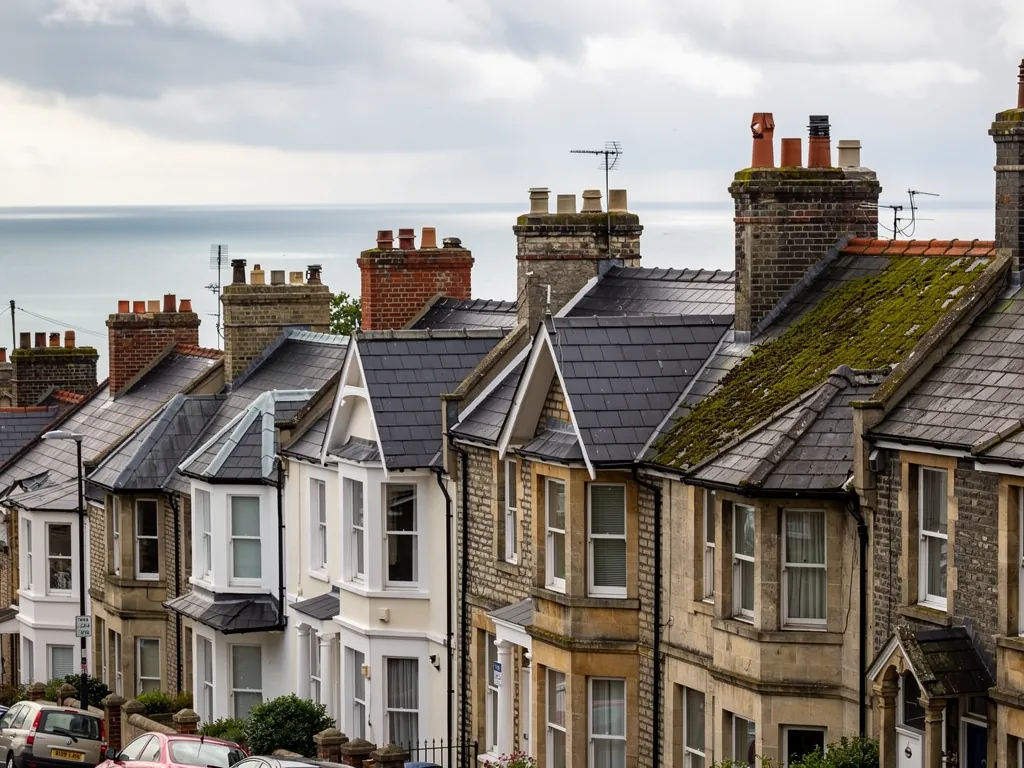
When the Cheddar Valley line opened in 1869, Winscombe grew a second centre, and its roofs have reached the age where they ask for attention.
A railway changes where people build. Winscombe's station stood in Woodborough, away from the church, and the Victorian growth of the village followed the line. Wherever late 19th-century terraces, villas and cottages stand in those streets, their roofs are now well into old age.
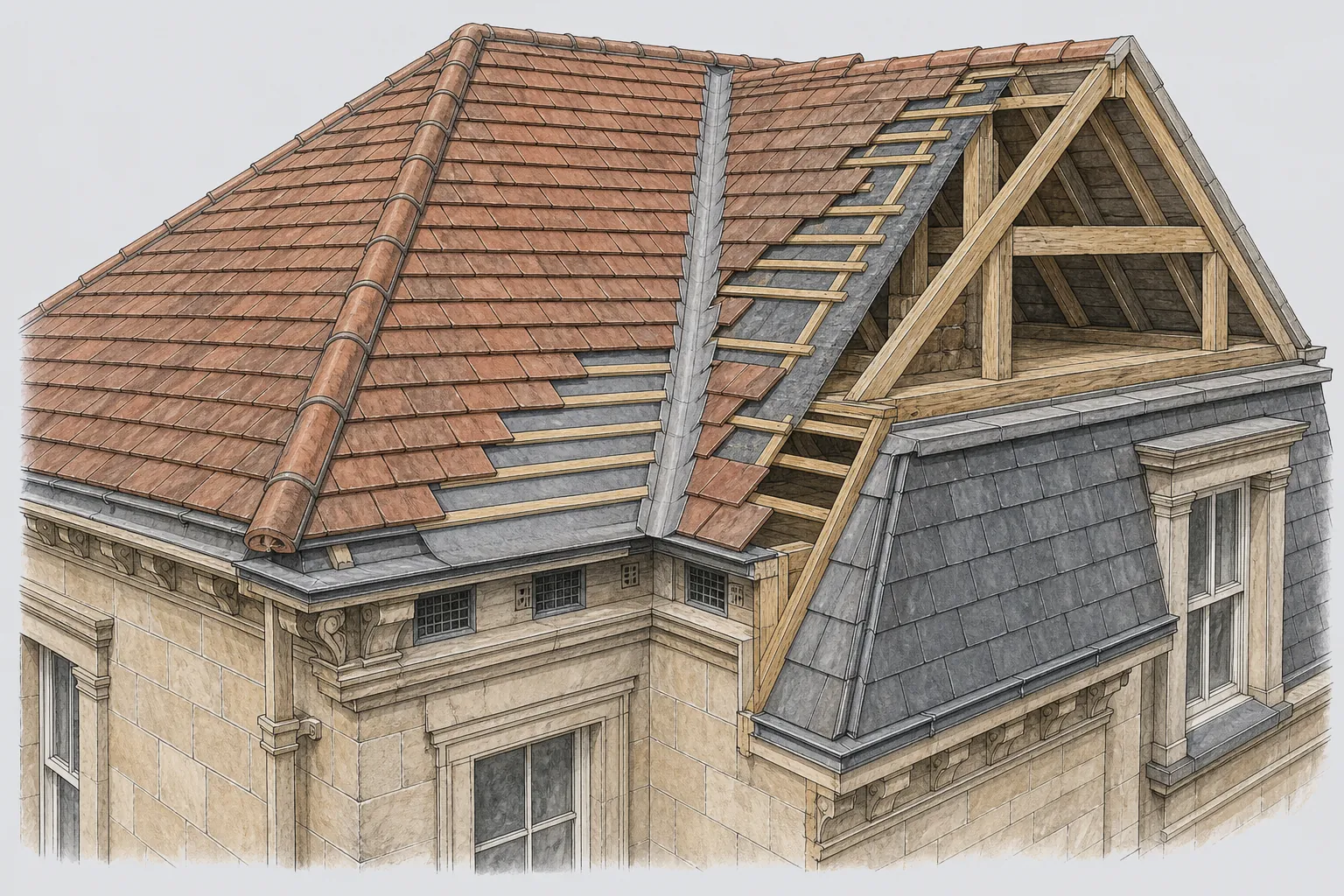
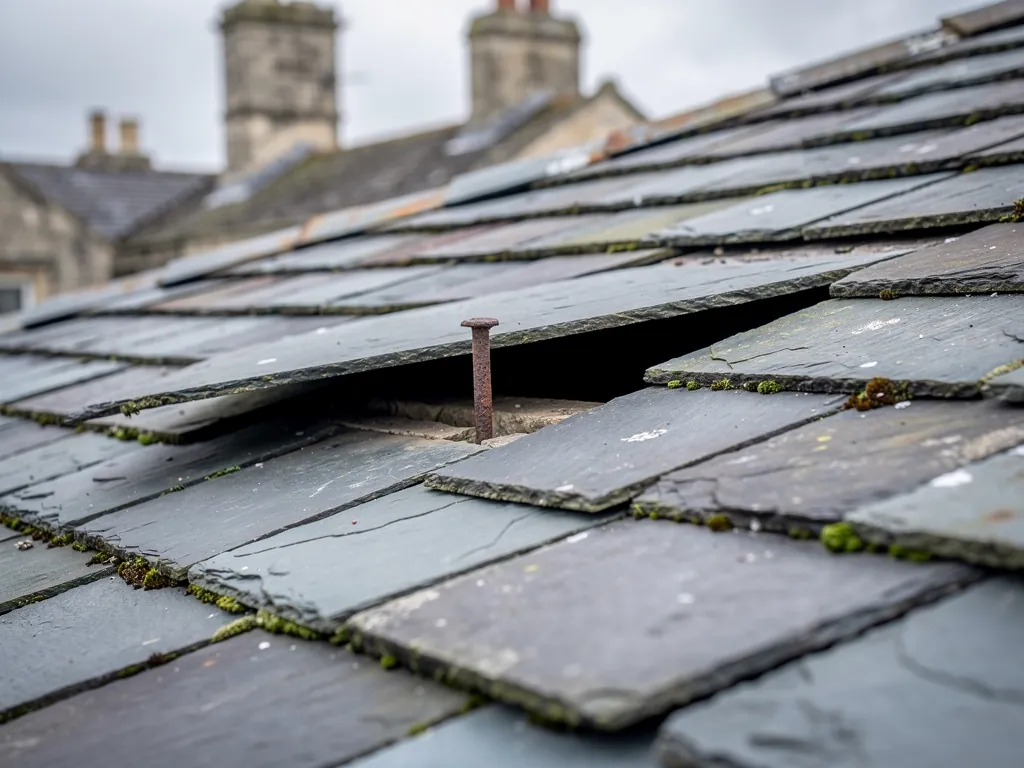
The pattern on a roof of that date is familiar. The rafters are softwood, cut and fixed by hand. The battens are narrow and may have been nailed with iron, which rusts. The covering could be natural slate, clay tile or a later replacement, which is why we identify it before anything else. Underlay, if there is any, is usually a later addition. The roof was built to last, but the parts that join it together are the first to give out.
On a roof of this date we go looking for fixing failure first. Slates slip out of line, one at a time, and a pattern of gaps along a course tells us the nails have rusted, not that the slates themselves have gone. A tile with a broken nib (the small lug at its top edge that hooks over the batten) tells a similar story. Where the fixings are weak across the roof, the answer is usually to strip the covering, keep what is sound, fit new battens and underlay, and re-lay with stainless or copper nails.
That kind of work falls under roof replacement, and we explain the options. Re-roofing may fall inside Building Regulations. Whether a re-cover is notifiable depends on how much of the building and the roof it touches, and the thresholds are set out further down this page. When it is notifiable we deal with that paperwork, and extra insulation can be required under Part L.
Myth
A slipped slate means the whole roof is finished.
Fact
A single slipped slate is often a failed nail. If the rest are sound, re-fixing them on the same battens is a repair, not a re-roof.