
Wind on the hilltop and what it finds first
A roof on the flat top of a hill is tested by wind more often than one in a sheltered street, and it fails along its edges.
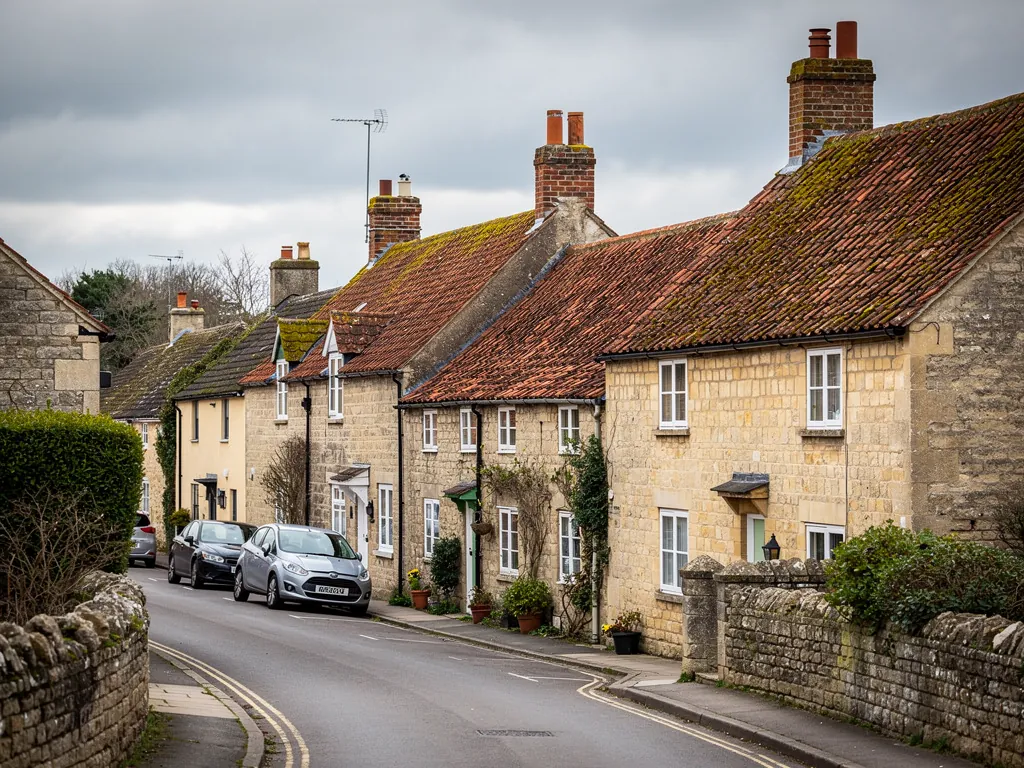
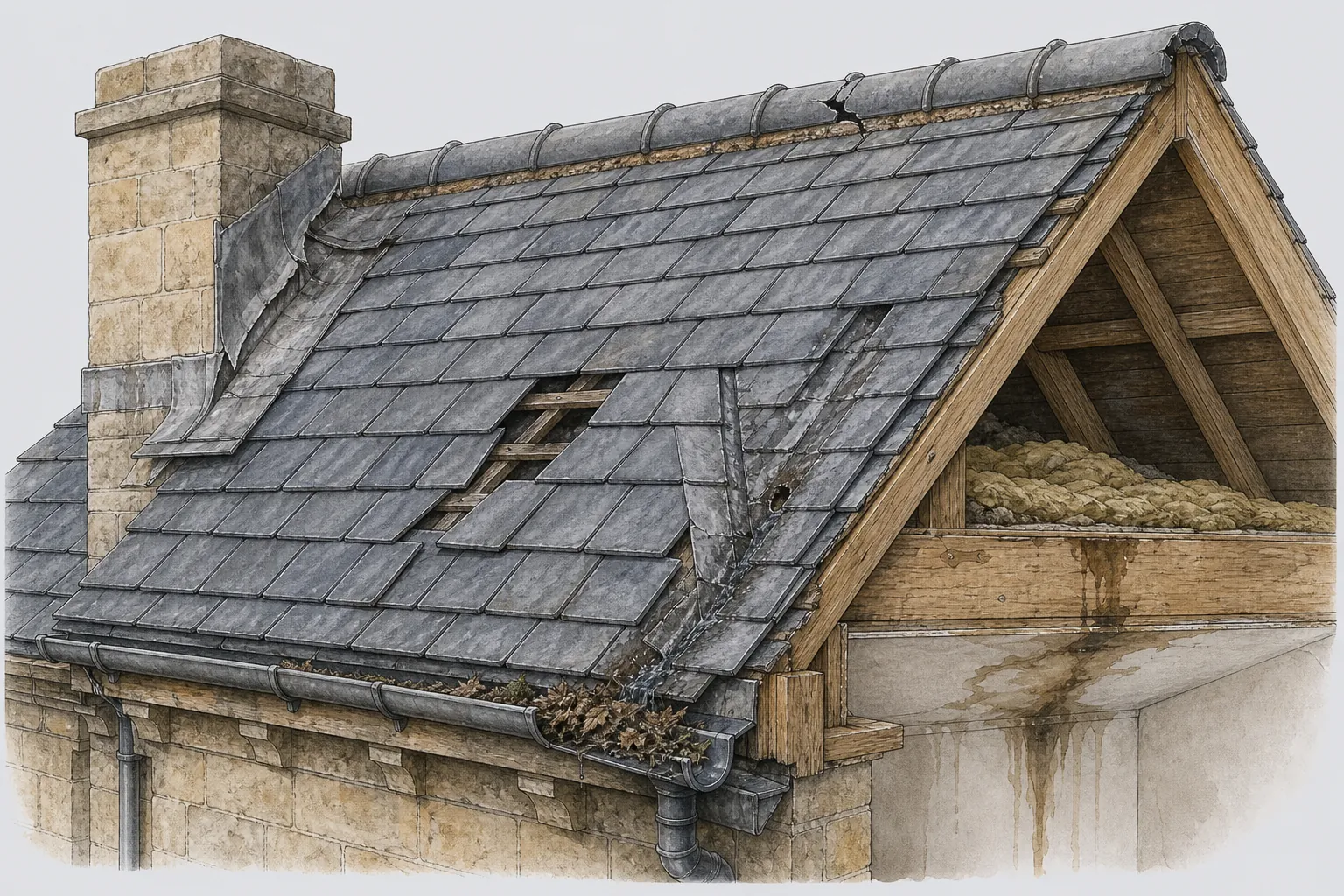
The top of Peasedown is relatively flat and open, and the north-western side drops away on a slope. That combination gives wind a clear run at the roofs on the high ground. The damage is rarely dramatic. It starts as a tile that sits a little proud, a ridge line with a hairline crack through its mortar, a verge that has lost a section of pointing. Each looks minor from the pavement, and each lets wind and rain behind the covering.
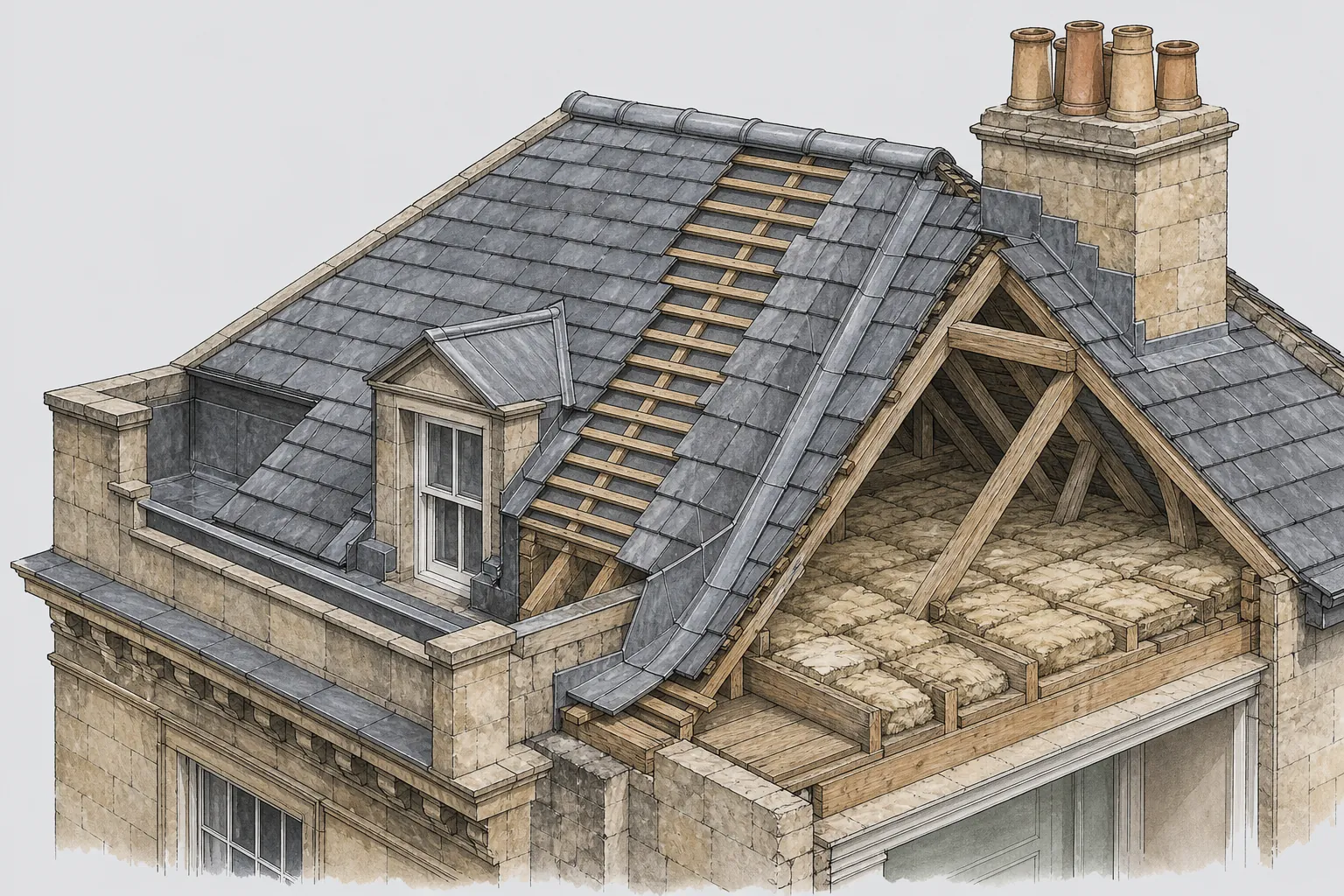
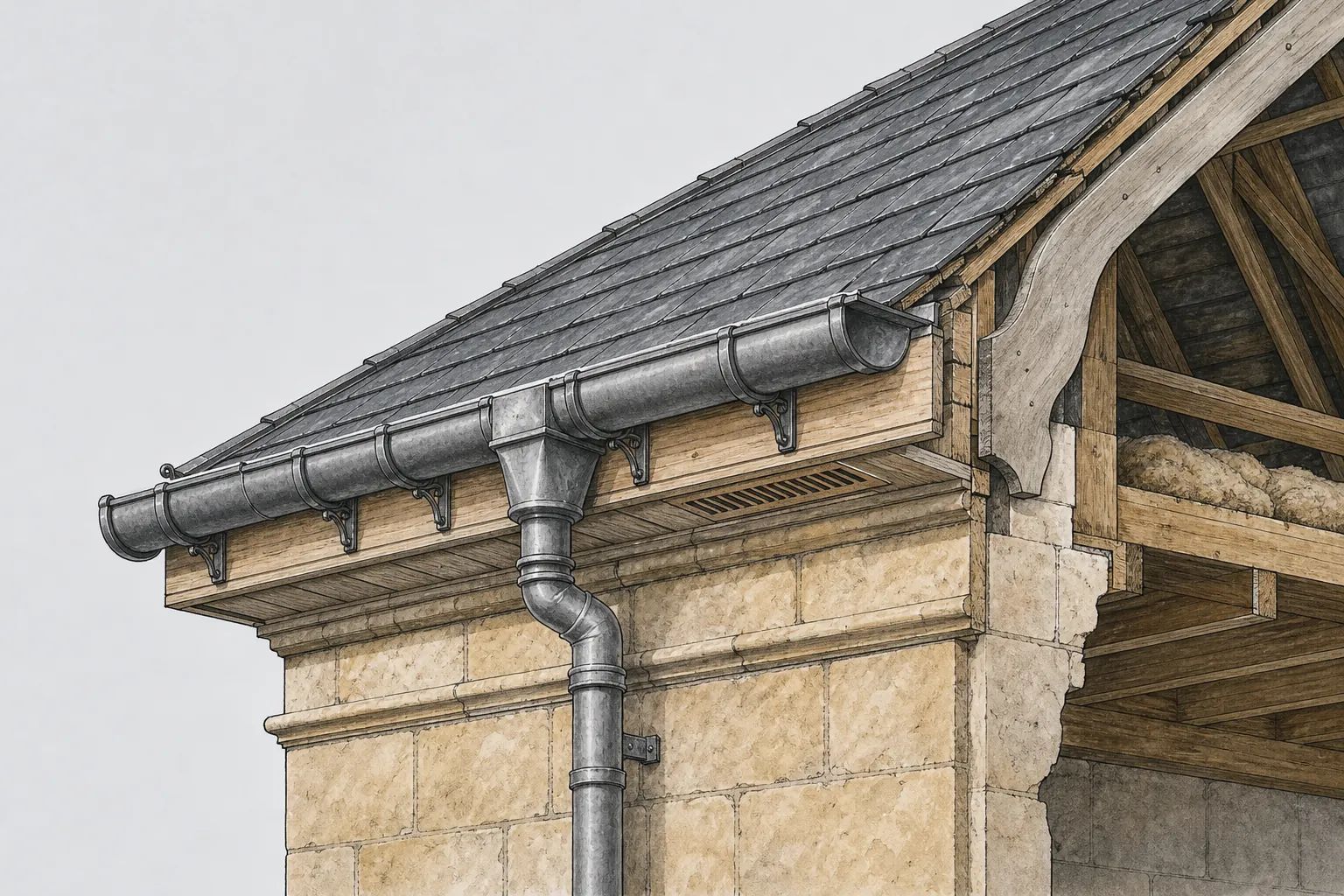
The weak spots are the edges. The ridge is the line at the top where two slopes meet, finished with ridge tiles that were traditionally bedded in mortar. The hip is the sloping edge on a hipped roof, and the verge is the edge of a gable. On older roofs all three rely on mortar, which cracks as frost and sun work on it year after year. The standard for fixing these tiles, BS 5534:2014, treats mortar alone as unreliable, so any ridge or verge we re-bed gets screws, clips or straps as well. The other route is dry-fix (tested to BS 8612:2018), where caps, clips and seals replace the mortar entirely, and on an exposed roof that is often the longer-lasting choice.
Underlay is the second concern. Wind can lift a tile and drive rain beneath it, and if the felt under the tiles has perished, that water reaches the battens, the timber laths that carry the tiles. Battens rot slowly and quietly, which is why a roof can look sound for years after the damage has begun.
On a survey, we walk the slope where it is safe, use a ladder and camera along the edges, and check the loft for daylight, damp battens and stained felt. Our ridge and verge repairs page sets out the options, from re-bedding a few tiles to replacing a whole ridge line with a dry-fix system.