

Former service housing and roofs nobody has looked at
Leased and relet homes near a base can go years between roof checks, and the fault shows up all at once.
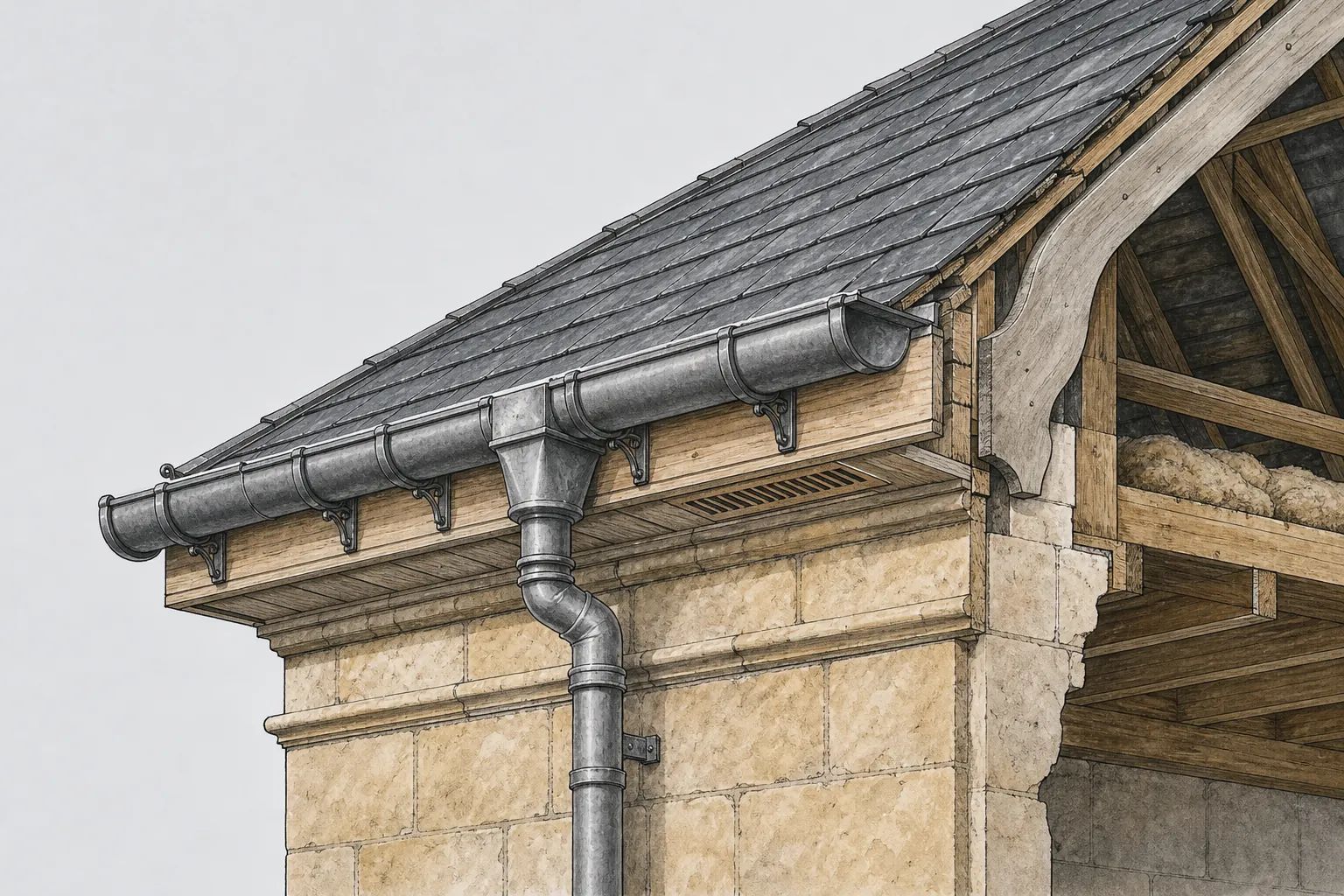
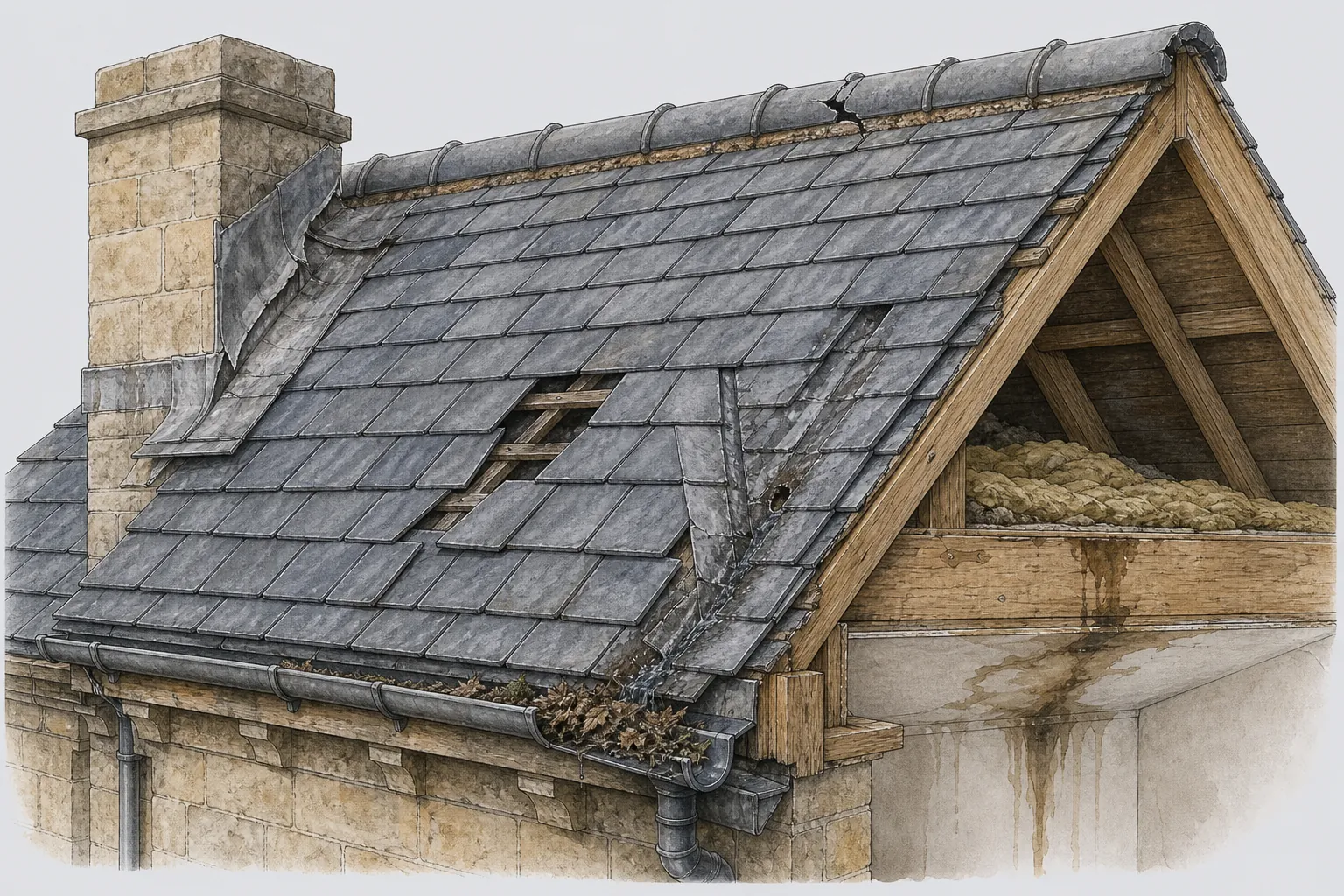
When a house is let on and off, small jobs slip. A landlord assumes the tenant will report a drip, and a tenant assumes the landlord is watching the slopes. Where service families have come and gone for years, that gap is easy to see in the roofs. The covering looks tolerable from the road, but the gutters have not been cleared in years and the tile edge at the eaves has gone green.
The first visit to a roof like this is an inspection, not a quote. We look from the ground, then from a ladder or scaffold at the eaves, then from the loft, checking the timbers by lamp and with a damp meter where they call for it. The loft often tells the truth that the slope hides. Stained boarding, rusting nail tips poking through the underlay and a smell of damp are all clues to a long-term leak.
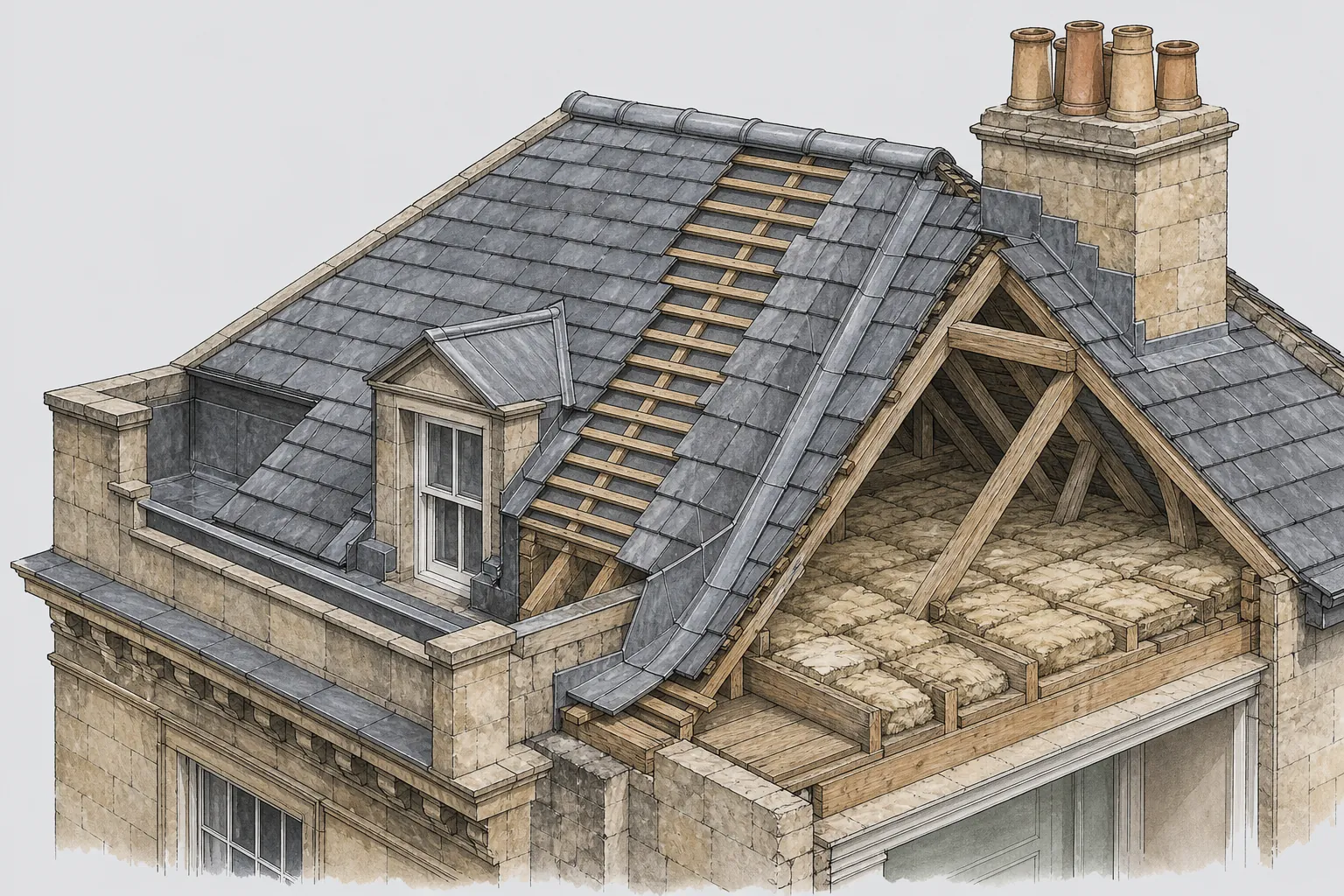
Once a covering is spent, the choice lies between re-covering part of it and replacing the lot. A full replacement means stripping the old tiles, renewing battens and underlay, and fitting the new covering with verges and ridges done to current standards. If the roof is 15 per cent heavier or more after the change, Building Regulations approval is needed. Where the work affects most of the roof, an upgrade to the insulation may be required as well. What a full job involves is described under roof replacement, though a run of small leaks does not always mean a new roof.
For a landlord with several properties, we can inspect and report on each roof separately, with photographs, so decisions are made house by house. For an owner-occupier buying a former service home, a roof report before exchange is often the cheapest way to avoid a surprise afterwards.
Repair or replace
Replace a roof only when the report shows the covering and its fixings have failed across whole slopes; until then, mend the cause of each leak.