The short answer
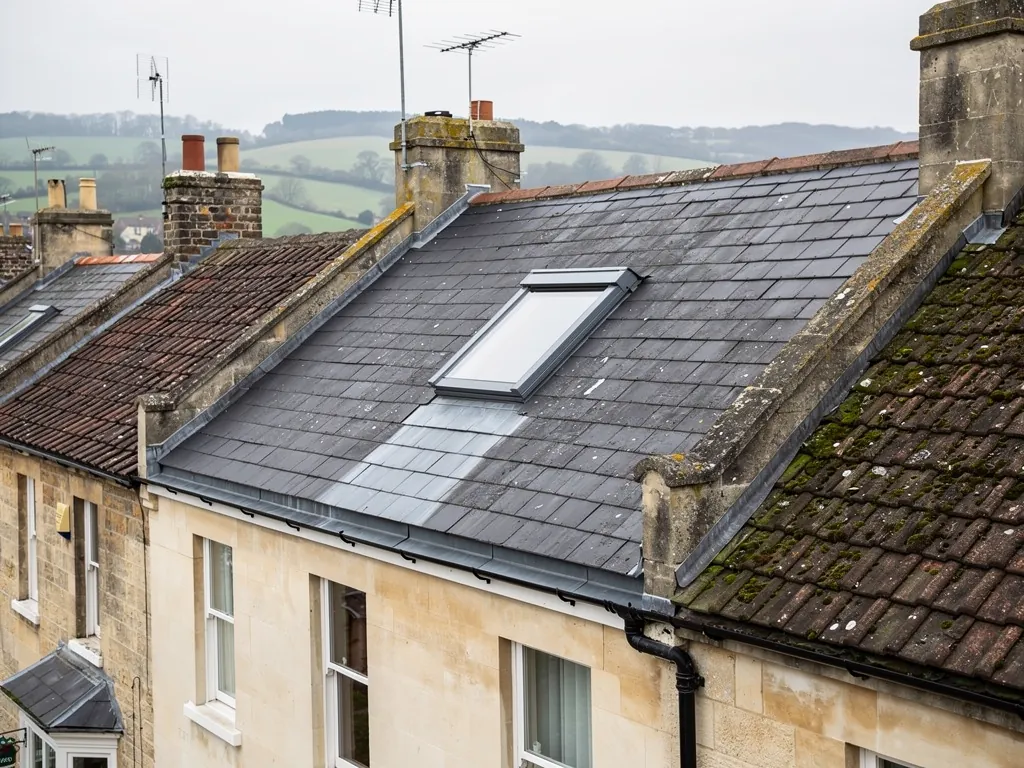
A roof window can be fitted in winter, and a replacement is often a matter of one dry spell. The risks are rain and strong wind while the roof is open, and frost or damp affecting sealants and fixings. A good roofer watches the forecast, covers the opening if conditions turn, and postpones a new opening in a slate roof rather than gamble on a wet day.
Why winter is possible but not casual
The window itself does not mind the cold. Frames, glazing units and flashing kits are made for exposed roofs and will sit through any British winter. The issue is the work. For a period, a section of the roof is open, with the old unit out or a hole cut in the slope. During that period the weather matters, and winter offers more chances of an unplanned shower or gust.
Fitting in cold months also gives you the benefit of quiet diaries. Roofing demand is strong after storms and in spring, and a booked winter slot can be easier to arrange. The trade-off is that days are short, the roof is slippery, and a job can slip a day when a front comes in.
So the honest answer to the question is yes, with conditions. How long the opening stays exposed is the key measure, and it varies with the type of job. Our page on how long it takes to fit a roof window explains what adds to it.
How an open roof is kept dry
Before anything is cut, the plan is made. The window, flashing kit and materials are on site and checked against the order. Slates or tiles around the opening are stripped carefully and kept. The old window is removed, the opening is checked for rot, and the new unit is set, fixed and flashed in order, from the bottom edge upward, so that every layer overlaps the one below it.
Underlay is the layer under the battens that backs up the covering by collecting rain slipping through. While slates are lifted, it is the main barrier left. Temporary sheeting is kept to hand and used if rain arrives mid-job. A good crew does not start an opening on a slope it cannot close by evening.
If conditions change, the work stops and the roof is made watertight with sheeting before anyone leaves. That is routine, and it is why a roof that is stopped mid-job is not left wet. Safe access also depends on dry footing, so scaffold or a roof ladder is placed with care.
Cold, damp and the materials
Some materials are fussier than others. Sealants and expanding foams have temperature ranges set by their makers, and a cold, damp surface may not accept them. Check the data sheet for the product in use, and avoid relying on sealant as the main protection anyway. A properly flashed window sheds water by its lapped construction, not by mastic.
Timber should go in dry. Frames and linings that have sat in the rain, or rafters that are soaked, will shrink and move once the heating comes on. Where timber must be cut for a new opening, letting it dry before closing it in is better than boxing in wet wood. Lead is workable in cold weather, though it needs handling with care when frozen surfaces make fixing awkward.
Gloves, cold hands and frozen surfaces slow the work. A roofer taking time on a cold day is being sensible, not slow.
Replacement or new opening
A like-for-like replacement exposes the roof briefly, which suits winter. The old window comes out of a hole that is already framed, the new unit goes in, and the flashing is closed up. Our guide to replacing a roof window outlines the steps.
A new opening is a bigger undertaking. Rafters must be cut and trimmed, a header fitted, slates removed over a larger area and the structure put right before the window goes in. If the forecast is poor, that is the job to postpone. The decision is easy to defend: a few days' wait costs far less than ceiling damage and soaked insulation.
New openings can also involve permission, particularly for listed buildings and in conservation areas, and that needs sorting out well before the date. The Bath position is explained in our rooflight and conservation area page.
Planning a winter fit with us
We watch the forecast over the days leading up to the job and tell you if we want to move it. If conditions look settled, we go ahead. If they do not, we offer another date rather than pressing on. For a leak or storm damage, the first step is a make-safe, and the full work is planned for the next settled spell.
Inside the house, clear the area under the window, lift furniture and protect floors. Tell us if the room below is a bedroom you need to use that night, so we can plan to close the opening completely before we leave. Dust sheets and a protected route through the house help to keep the job tidy, and once we finish we sweep up and take the waste with us.
Once the window is in, ask how the flashing was finished and whether the old timbers around the opening were sound. A winter job done carefully and checked after the first heavy rain is a good job, and any drip that shows afterwards should be reported straight away so it can be traced while the work is fresh. Flashing deserves care in every season, and roof window flashing has the detail. The roof windows and skylights hub covers the rest of the series, and your price follows the survey as a fixed figure in writing.