


Under Stinchcombe Hill: wet roofs and moss
A hillside at your back keeps the sky busy, and a roof that stays damp gathers things.
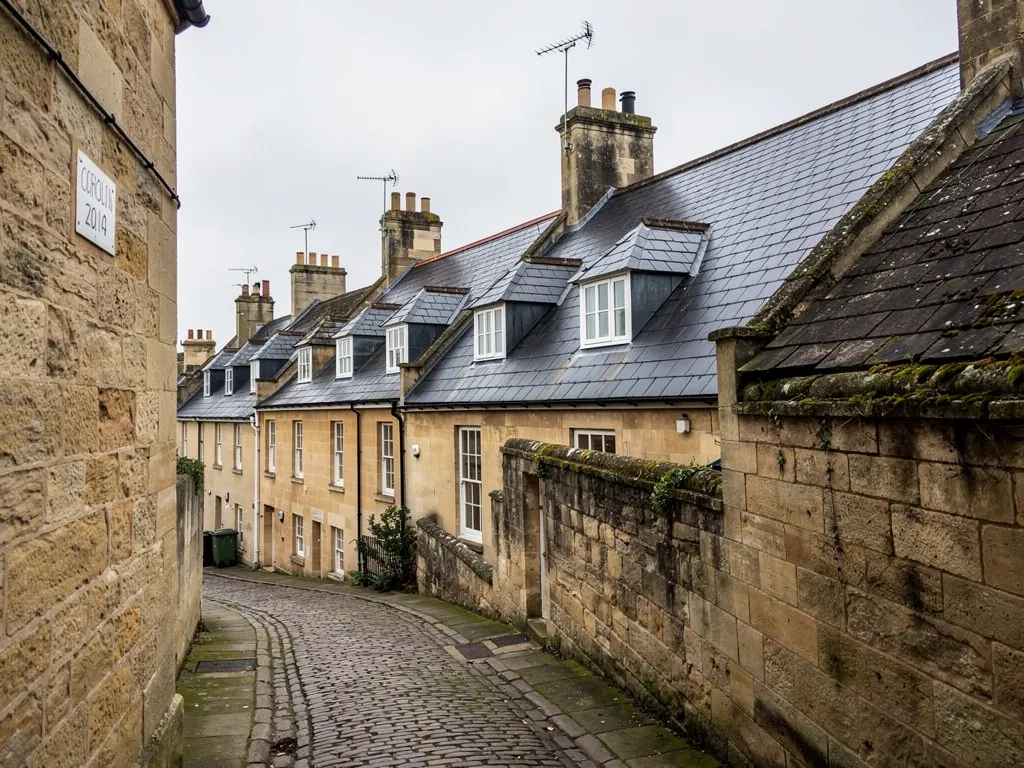
When a hill rises directly behind a town, the weather behaves differently on the streets beneath it. Trees on the hillside shed leaves and seed onto the roofs below, and a house close under a slope can spend more of the day out of direct sun. None of this is a fault in the building. It simply means that roofs in Dursley that face the wrong way or sit under trees are likelier to stay damp, and damp roofs grow moss.
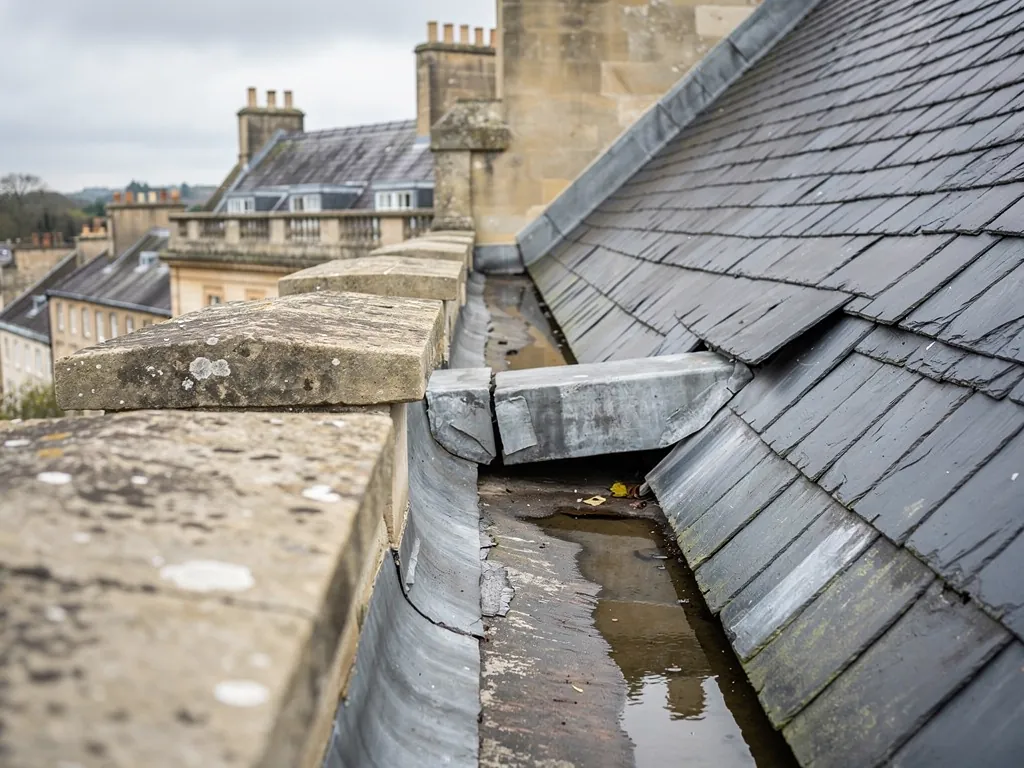
Moss itself is not an emergency. A thin layer on a sound roof is cosmetic. The trouble starts when it thickens, because a deep mat acts like a sponge: it holds water against the covering, packs into the gaps between tiles and, in a frosty week, can crack the edge of a tile as the trapped water freezes. In a valley or behind a chimney, a heap of moss and leaf litter can also dam the flow and push water sideways under the slates.
Cleaning is straightforward when the method is right. For clay and concrete tiles a careful wash and a biocide treatment clear the growth. For old or delicate coverings, pressure washing can damage the surface, so we pick a gentler way and test it in a corner first. Typical UK prices for roof cleaning are reported by MyBuilder (2026) as starting from about £300, with pitched roofs at £450 to £850. A fixed quote comes once we have surveyed your roof.
Cleaning is only half of the answer. If moss keeps returning, something is holding the water there, whether that is a shaded slope, a blocked gutter or a low-pitched section that cannot shed it. Our roof cleaning service covers the process, and our survey looks for the cause as well as the symptom.
Myth
Moss on a roof is harmless, so it can be left indefinitely.
Fact
A thin film does no real harm, yet a deep mat keeps the covering wet, blocks valleys and can lift or crack tiles in a frost.